

Connected and Automated Vehicles
Self-driving technology enabled by the Automated Vehicles Act 2024 has the potential to unlock an industry that is estimated to be worth up to £42 billion by 2035, create 38,000 jobs, enhance road safety, strengthen logistics and enable mobility. To realise this ambition the trialling of this technology and the deployment into all types of vehicles in the marketplace must be completed safely and securely. This will be crucial for consumer confidence and acceptance. Certification and approvals will play a key role in ensuring this.

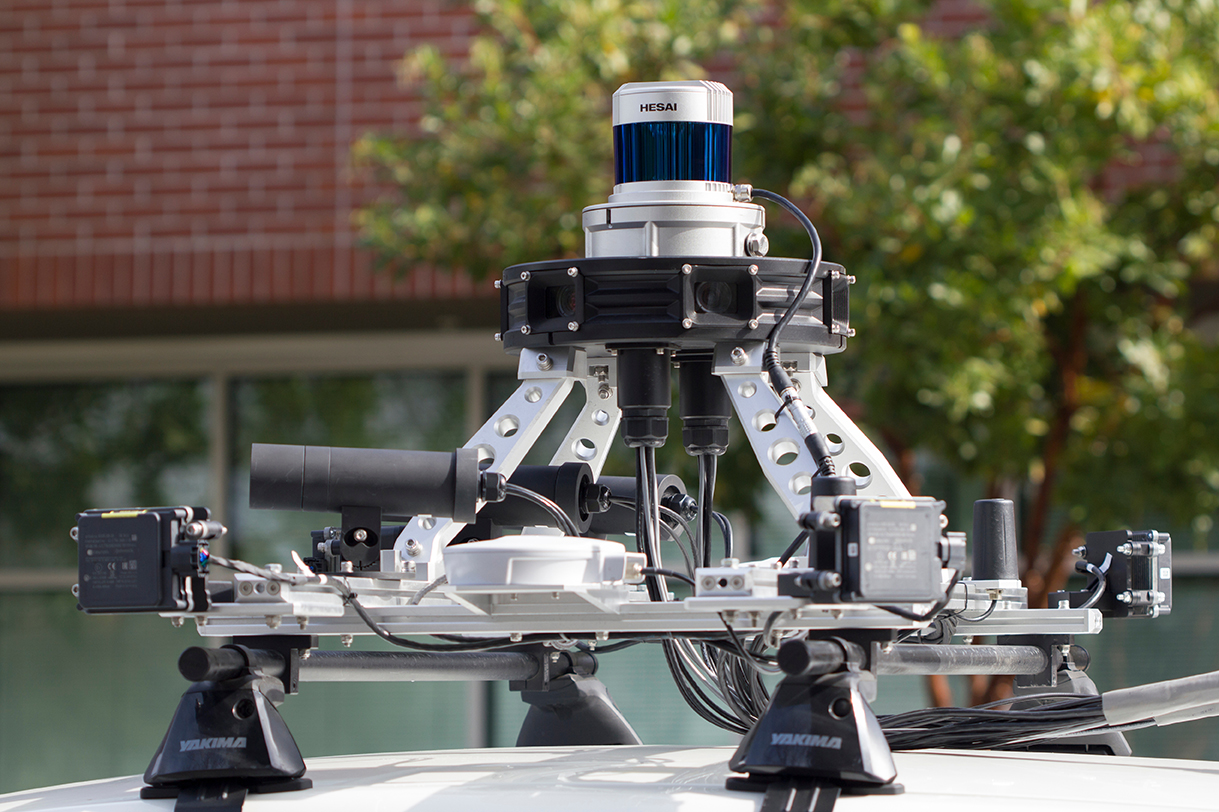
Trialling of automated vehicle technologies and services with a safety driver on public roads and in public places falls under the Code of Practice for Automated Vehicle Trialling.
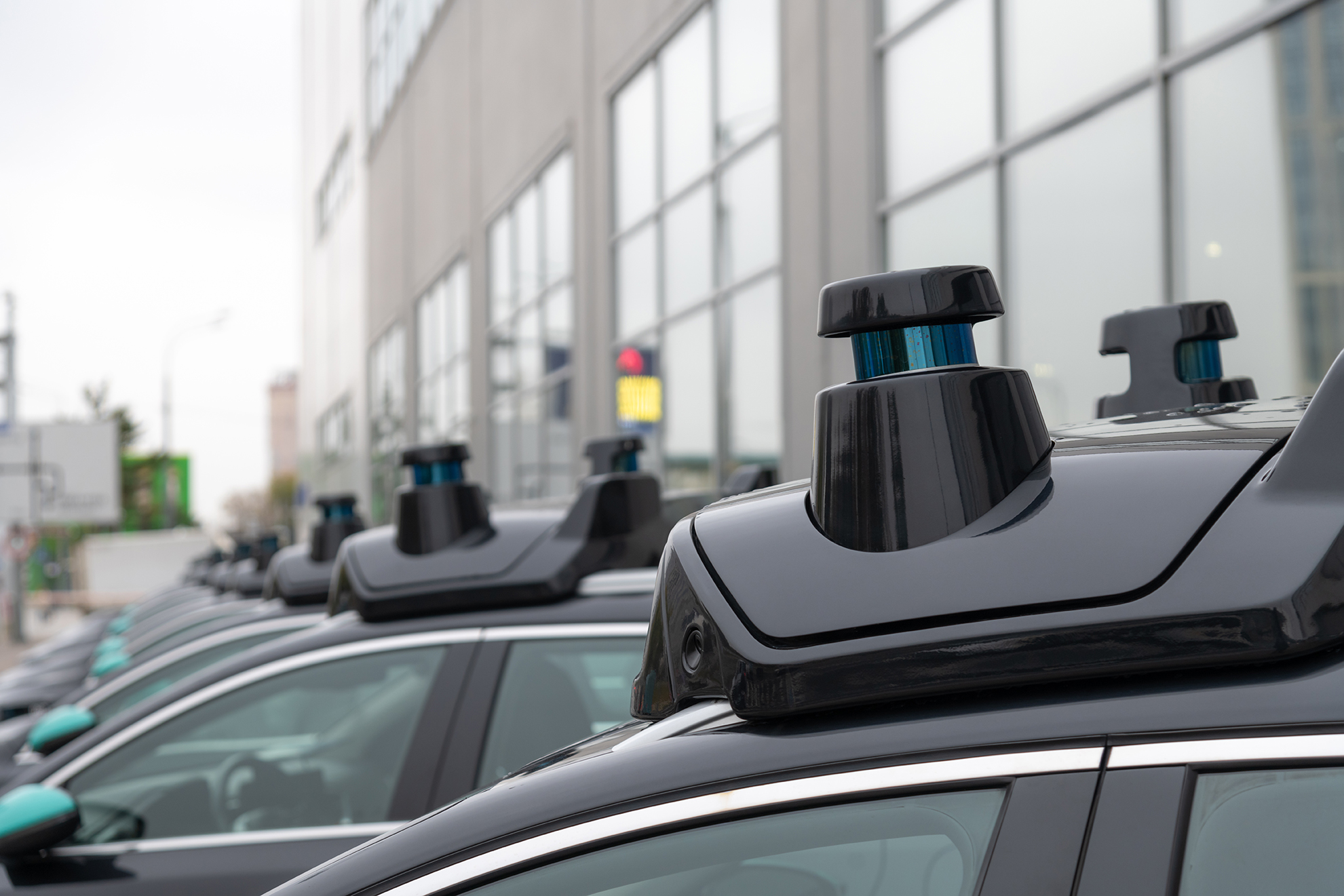
The UK’s self-driving vehicle piloting scheme allows the operation of self-driving vehicles on public roads without a safety driver. This pilot scheme marks a significant milestone in the UK’s journey towards commercial deployment of automated vehicles.

Automated Lane Keeping Systems (ALKS) were the first commercially available systems designed for passenger vehicles that enabled the driver to safely hand over control to the vehicle. Enabling of this technology is currently possible through approval to UNECE R157.

The VCA can provide vehicle cybersecurity and software update audits and assessment for obtaining UN Regulations R155 and R156 approvals.